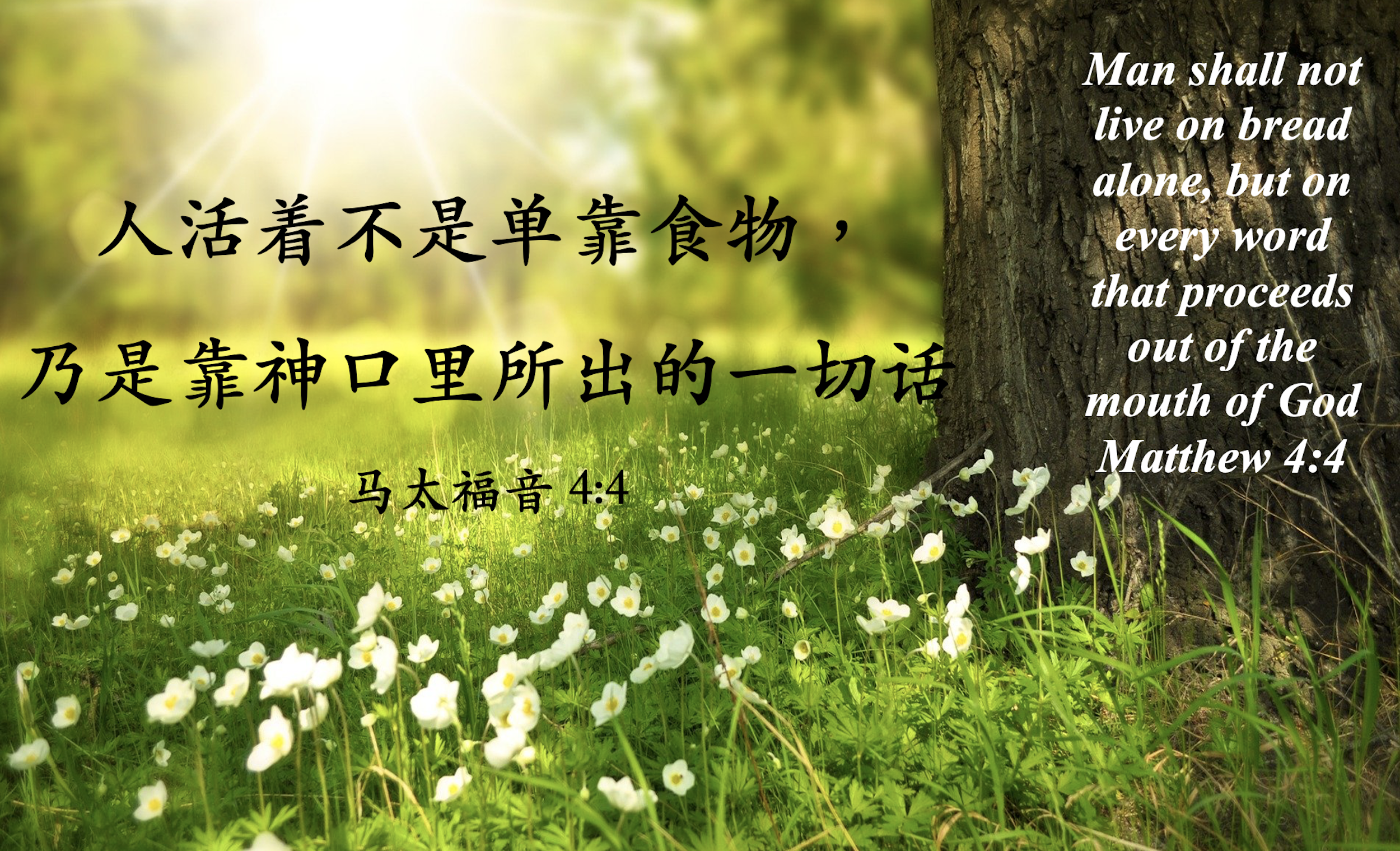
在圣经里,饼是指生命的供应。主耶稣说,“我就是生命的粮[直译,饼],”(约六35),意思是说,祂是从天上降下来的饼,为要赐人生命。在圣经里,酒表征血,为着完成救赎,解除我们的干渴。我们是堕落的人,都在神定罪之下。我们干渴,因为神公义审判的火在我们里面焚烧。我们的干渴既来自神的定罪,世上的水就不能解渴。我们的干渴,只有生命的汁液才能解除。酒不是水,乃是出自葡萄的生命汁液,葡萄是属于生命的东西。主耶稣选用酒来表征祂赎罪的血,说,“你们都喝这个,因为这是我立约的血,为多人流出来,使罪得赦。”(太二六27-28)。麦基洗德出来,以饼和酒供应蒙召族类之父亚伯拉罕,表征基督来把祂自己这位经过过程的神供应给我们。祂经过在十字架上的过程,好成为我们生命的供应,以救赎的酒解除我们在神定罪之下的干渴。祂是救赎的神,将祂自己分赐到我们里面,作我们的供应和满足。
圣经题到亚伦等次祭司的时候,只说他们被选、蒙召,来献上为着罪的祭物,而没有说他们要供应人饼和酒。他们主要的是藉着献上礼物和为着罪的祭物,而事奉神。照着亚伦等次的祭司职分,主要是在消极一面照顾神的百姓。但照着麦基洗德等次的大祭司,作得更多。他不是带着为罪而献的祭物到神那里去,乃是带着饼和酒从神那里到我们这里来。
当逾越节的时候,百姓要抹血,也要吃无酵饼。供应给我们的饼和酒,乃是逾越节的结果。这意思是说,今天我们的大祭司基督,乃是将那出于祂救赎的东西,供应到我们里面。祂为我们受死,献上身体,并流出血来。这一切都在祂回到父神面前之先完成了。根据希伯来书,基督献上自己作独一为着罪的祭物,就一次永远的解决了罪的问题。然后祂带着自己的血,进到诸天之上的至圣所,洒在神面前,因而完成了救赎。就着救赎这一面说,现今基督已不需要再作甚么;祂乃是坐在神的右边。然而,祂仍需要作我们的大祭司,不是到神那里去,乃是到我们这里来。祂来不是要对付我们的罪,乃是供应饼和酒,就是祂自己的表征;祂经过了死与复活,好使我们得着供应和满足。这是远超过救赎的。
每日一问:圣经中饼和酒分别象征什么?为什么麦基洗德是带着饼和酒来迎接亚伯拉罕?
请享受诗歌 (点击诗歌名)
Melchizedek as a Type of Christ (5) — Heb. 7:3
In the Bible, bread signifies the supply of life. The Lord Jesus said, “I am the bread of life” (John 6:35), meaning that He is the bread which came down from heaven to give life to men. In the Bible, wine signifies blood — for the accomplishment of redemption, to quench our thirst. We are fallen men, all under God’s condemnation. We are thirsty, because the fire of God’s righteous judgment burns within us. Since our thirst comes from God’s condemnation, the water of this world cannot quench it. Our thirst can only be quenched by the juice of life. Wine is not water; it is the juice of life derived from the grape, and the grape belongs to the realm of life. The Lord Jesus chose wine to signify His redeeming blood, saying, “Drink from it, all of you; this is My blood for the covenant, which is poured out for many for the forgiveness of sins.” (Matt. 26:27-28) Melchizedek came out to supply Abraham, the father of the called race, with bread and wine — signifying that Christ came to supply us with Himself as the processed God. He passed through the process of the cross to become the supply of our life, using the wine of redemption to quench the thirst we have under God’s condemnation. He is the redeeming God, dispensing Himself into us as our supply and satisfaction.
When the Bible speaks of the priests of the Aaronic order, it only says they were chosen and called to offer sacrifices for sin — it does not say they were to supply people with bread and wine. Their primary ministry was to serve God through the offering of gifts and sacrifices for sin. The Aaronic priesthood mainly cares for God’s people on the negative side. But the great High Priest according to the order of Melchizedek does far more. He does not bring sacrifices for sin to God; He comes from God to us, bringing bread and wine.
At the time of the Passover, the people were to apply the blood and also to eat the unleavened bread. The bread and wine supplied to us are the result of the Passover. This means that today our great High Priest Christ dispenses into us what has come out of His redemption. He died for us, offering His body and pouring out His blood. All of this was accomplished before He returned to the Father God. According to Hebrews, Christ offered Himself as the unique sacrifice for sin and thus settled the problem of sin once and forever. He then brought His own blood into the Holy of Holies above the heavens, sprinkling it before God, thus completing redemption. As far as redemption is concerned, Christ no longer needs to do anything; He is now seated at the right hand of God. Yet He still needs to serve as our great High Priest — not going to God, but coming to us. He does not come to deal with our sins; rather, He comes to supply bread and wine — the symbols of Himself — having passed through death and resurrection so that we might receive supply and satisfaction. This far surpasses redemption.
Daily Question: What do bread and wine respectively symbolize in the Bible? Why did Melchizedek come to meet Abraham with bread and wine?